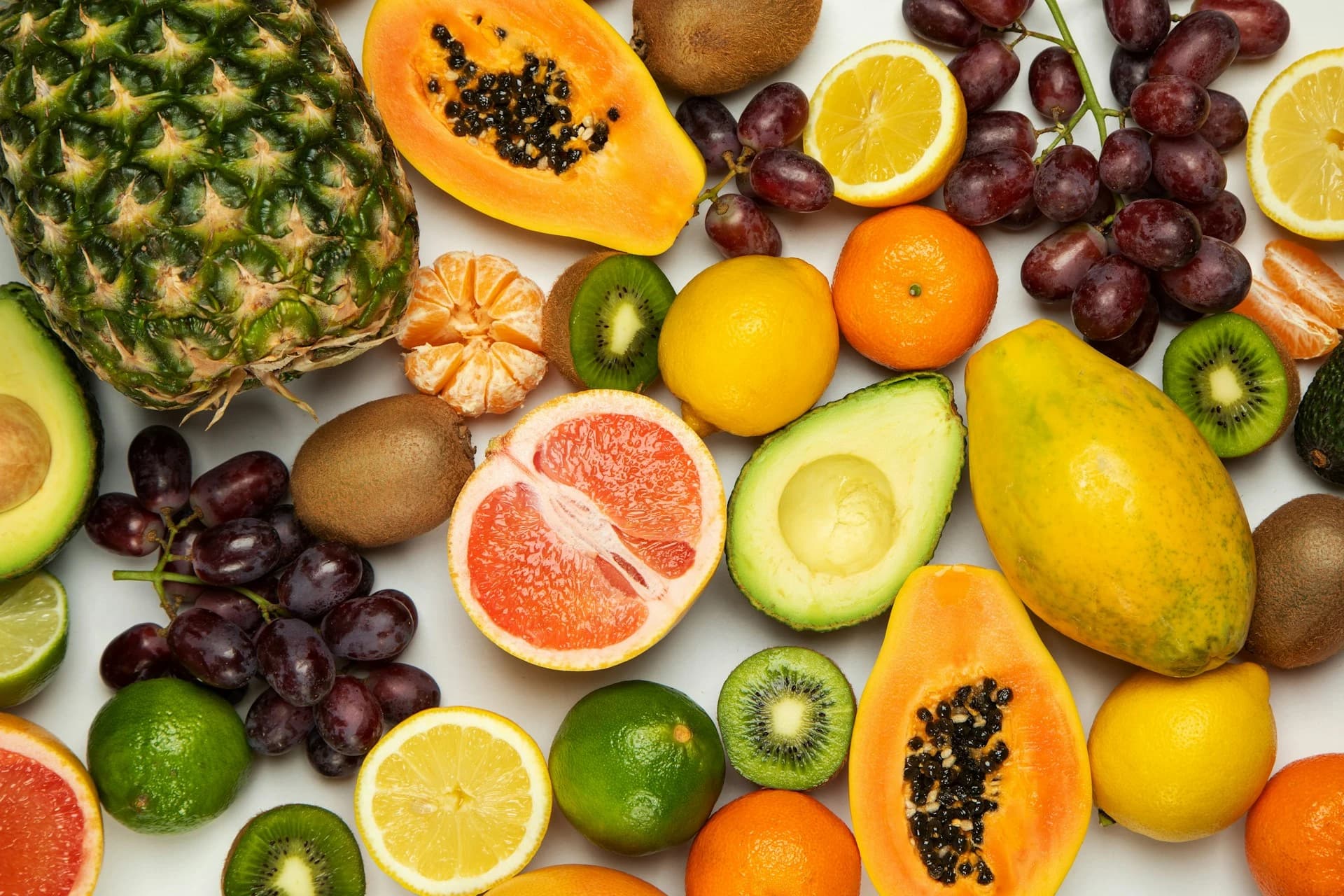
Best Fruits for Diabetics: A Complete Guide (With GI Index + Practical Tips)

Quick Navigation:
I always say: “Managing diabetes doesn’t mean cutting fruits and the foods you love out of life — it means choosing the right fruit, in the right portion, at the right time.” As a Clinical Pharmacist who has managed hundreds of patients with diabetes, I’ve seen the same pattern again and again:
People rarely struggle because they eat fruit — they struggle because they pick the wrong fruit, the wrong portion, or the wrong timing.
This guide will help you choose fruits that support blood sugar stability, reduce inflammation, and improve gut health — with clinically useful Glycemic Index (GI) values and real-world tips you can apply today.
Why diabetics should choose fruit carefully
Fruits contain natural sugars that affect blood glucose differently. The key metric to use is the Glycemic Index (GI):
- Low GI: 1–55 — best choices for people with diabetes
- Moderate GI: 56–69 — eat in moderation
- High GI: 70+ — avoid or reserve for rare occasions
Below I list the top safe fruits for diabetics, their typical GI ranges, portion guidance, and short clinical notes from my practice.
Top 10 best fruits for diabetics (clinically verified)
1. Berries — the safest & most diabetic-friendly fruit
GI: 25–40
Blueberries, strawberries, raspberries, and blackberries are high-fiber, low-sugar fruits that improve insulin sensitivity and reduce inflammation.
- Best portion: ½–1 cup
- Clinical note: Patients who replace late-night sweets with berries often show improved fasting glucose within 7–10 days.
2. Apples — gentle on blood sugar
GI: ~36
Apples are rich in pectin (a soluble fiber) which slows sugar absorption. Eat with the skin on for maximum benefit.
- Best portion: 1 small apple
- Tip: Pair with nuts or cheese for a balanced snack.
3. Pears — slowest sugar release
GI: ~33
Pears give even energy release and are excellent for controlling mid-day hunger spikes.
4. Citrus fruits (oranges, grapefruit, kinnow)
GI: 40–45
High in vitamin C and low in calories — avoid packaged juices (they spike sugar quickly).
5. Kiwi — great for gut health
GI: ~50
Contains digestive enzymes and fiber that help constipation and bloating, common issues for many diabetics.
6. Peaches & plums
GI: 40–53
Low-calorie, nutrient-dense options helpful for weight management.
7. Guava — one of the lowest GI fruits
GI: 12–24
Extremely high in fiber — a great choice for South Asian diets. Clinically, swapping a roti for one guava can improve postprandial sugars in some patients.
8. Avocado — the zero-sugar “fat-fruit”
GI: <15
Rich in healthy fats that improve insulin sensitivity and prolong satiety. Add to breakfast or salads to blunt carbohydrate spikes.
9. Cherries
GI: ~20
High in antioxidants and anti-inflammatory compounds — useful for nerve and joint health.
10. Apricots (fresh)
GI: ~34
Small, low-sugar, and ideal for portion control.
High-sugar fruits diabetics should limit
These aren’t forbidden, but watch portions and pair with protein or fat if you plan to enjoy them:
| Fruit | Typical GI |
|---|---|
| Mango | 56–60 |
| Grapes | ~58 |
| Ripe banana | 60+ |
| Pineapple | ~66 |
| Dates | 70+ |
| Watermelon | ~72 |
| Dried fruits (raisins, figs) | Very high |
Tip: If you want to enjoy these, always pair them with nuts or yogurt to slow absorption and blunt the glucose peak.
Best times to eat fruit (science + clinic)
- Good times: mid-morning or afternoon, and as a snack paired with protein/healthy fat
- Why: Protein or fat slows sugar absorption and reduces peak glucose
- Avoid: first thing on an empty stomach and very late at night — these times often produce larger spikes
How much fruit is safe?
A practical guideline: 1–2 servings per day. One serving examples:
- 1 small apple
- ½ cup berries
- 1 medium pear
- 1 kiwi
- 1 small peach
- ½ cup citrus segments
Try splitting servings: one mid-morning and one mid-afternoon or with a snack to keep blood sugar steady.
Simple clinical hacks that work (from my practice)
- Always eat fruit with protein or healthy fat. Examples: apple + 5 almonds; berries + Greek yogurt; pear + 1 tbsp chia seeds.
- Don’t mix fruit with a large carb-heavy meal. Adding fruit on top of meal carbs can produce an additive glucose effect.
- Frozen berries are safe. They keep similar GI and are great for convenience and cost.
- Choose whole fruit, not juice. Juice lacks fiber and causes quick spikes.
- Evening cravings? Stick to berries or a small apple — they’re the safest late-day options.
Why low-GI fruits help autoimmune & heart patients
Low-GI fruits reduce inflammation, support a healthy gut microbiome, improve insulin action, and protect liver function — benefits that extend beyond blood sugar control and support heart and autoimmune health.
Final clinical takeaway: Fruit can be part of a healthy diabetic diet — if chosen wisely and combined with protein or healthy fat.
Want a personalized plan?
If you’d like a tailored fruit chart, diabetic diet plan, or a daily timetable based on your age, weight, HbA1c and medications, I offer personalized plans using the same proven strategies I use in clinic. Contact us anytime.
Try these quick tools to check your metrics and personalize your diet:
- BMI Calculator — quick body mass estimate
- Water Intake Calculator — personalized hydration guide
- Health Score Calculator — snapshot of overall wellness