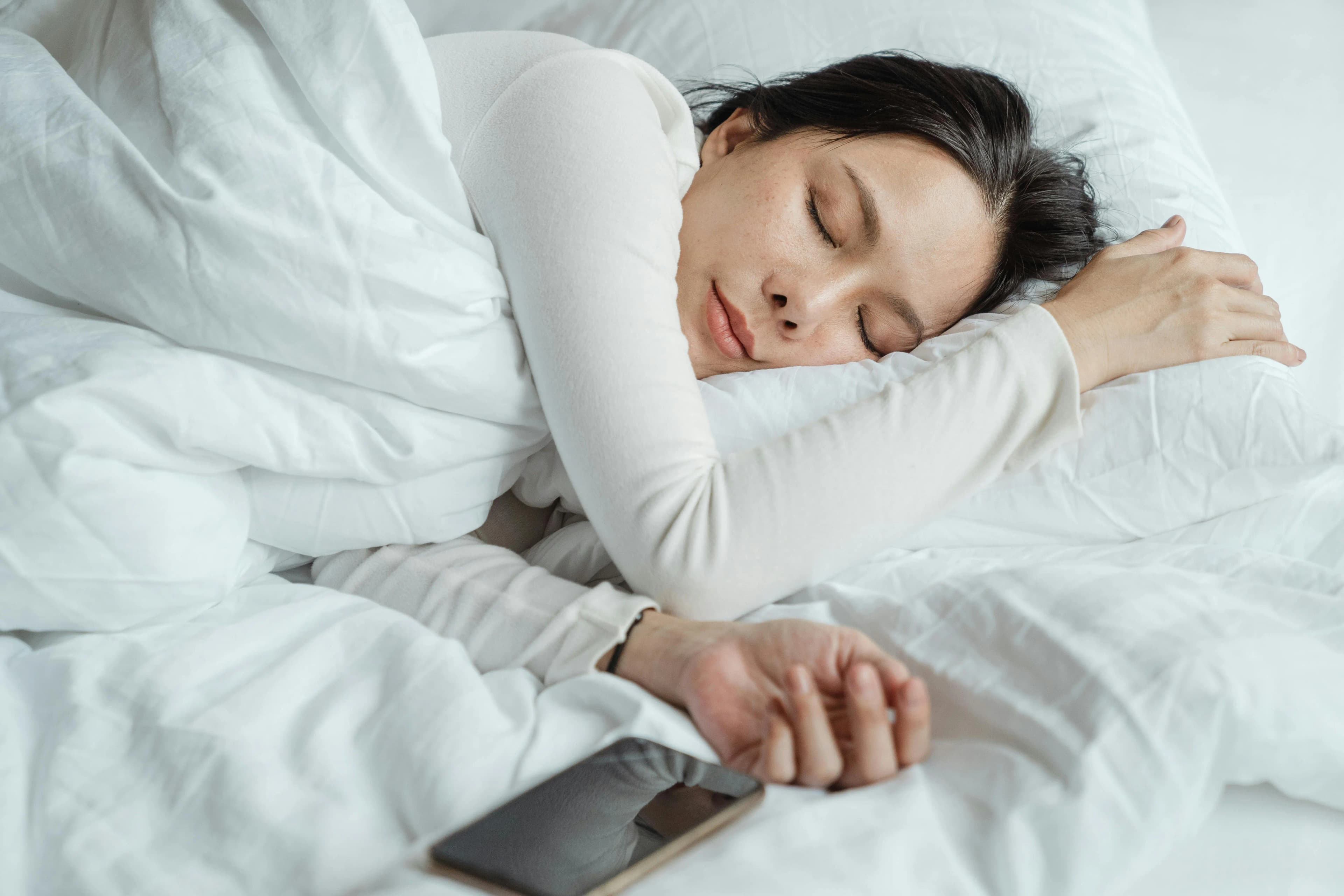
How to Sleep Better Without Medicine: Simple, Proven Tips That Truly Work

Table of Contents
- Treat Your Bed Like a Sleep-Only Zone
- Keep Your Bedroom Cool
- Use the 4-7-8 Breathing Reset
- Avoid the Midnight Energy Trap
- Clear Your Mind Before Bed
- Don't Oversleep on Weekends
- Still Awake? Don’t Stay in Bed
- 7-Night Routine
If you’re lying awake at 2 or 3 a.m. thinking, “Maybe I should buy melatonin tomorrow,” you’re not alone. I hear this every single day—and in almost 90% of cases, the person does not need a sleeping pill. They just need a few small changes that reset the body’s natural sleep system.
Your sleep timing is more powerful than you think. A healthy sleep routine prevents stress-related disorders, boosts immunity, and repairs the body. This is the same 90-second routine I teach in my clinic, and the one I personally use when my own mind refuses to switch off.
💡 Bonus: Improve your sleep by checking your overall wellness using our free tools: BMI Calculator, Water Intake Calculator, and Daily Health Score.
1. Treat Your Bed Like a Sleep-Only Zone
Your brain can only sleep deeply when it associates the bed with rest—not scrolling or working.
- Keep your phone away from the bed
- Use soft, warm lighting
- Replace old, flat pillows (especially if older than 2 years)
A calm, comfortable setup sends a clear message to your brain: “It’s time to sleep.”
2. Keep Your Bedroom Cool
Temperature has a direct effect on sleep quality.
- Ideal sleep temperature: 18–20°C
- Take a warm shower 1 hour before bed—your body naturally cools down afterward, triggering sleepiness
Most people notice better sleep within just two nights of making this change.
3. Use the Simple 4-7-8 Breathing Reset
A fast, natural technique to calm your heartbeat and activate the relaxation response:
Inhale 4 seconds → Hold 7 → Exhale 8
Do only two cycles. It gently slows your nervous system into “sleep mode.”
4. Avoid the Midnight Energy Trap
This is extremely common:
“Doctor, I had tea and scrolled reels—and now I’m wide awake.”
Caffeine + bright phone light = overstimulated brain.
Instead, choose a small sleep-friendly snack:
- 3 almonds, or
- Half a banana
They provide gentle calming nutrients without waking up your system.
5. Clear Your Mind Before Bed
Racing thoughts keep more people awake than any medical condition. Try a simple “worry pad” system:
- Write down tomorrow’s tasks
- Write any random thoughts or reminders
- Close the notebook
Patients call it “brain decluttering”—because it stops mental loops at 2 a.m.
6. Don’t Oversleep on Weekends
Sleeping till noon creates “social jet lag,” which ruins your entire weekly sleep rhythm.
Fix it slowly:
- Shift your sleep schedule earlier by 20–30 minutes each night
A stable sleep cycle = faster sleep + fewer night awakenings.
7. Still Awake? Don’t Stay in Bed
This is a rule I teach all insomnia patients:
If you’re awake for long, leave the bed.
- Sit in another room
- Read a few pages under dim light
- Return only when genuinely sleepy
This re-trains your brain to associate the bed with rest—not frustration or overthinking.
Try This 7-Night Routine
No medicine. No supplements. Just simple, science-backed habits that support your natural sleep system.
Follow this routine for one week—and message me with the yawn emoji 😴 on day eight.